The Minnesota Timberwolves didn’t just beat the Dallas Mavericks on Monday night — they exposed them. A 120-96 rout at Minneapolis’s Target Center wasn’t just a win; it was a statement. With Naz Reid dominating off the bench and the Mavericks playing without three key big men, the Wolves turned a shaky start into a statement victory — their fifth in six games.
Reid’s Breakout Night Ignites the Wolves
Naz Reid didn’t just play well — he played like a starter. The 25-year-old center, often overlooked in favor of Minnesota’s star-studded backcourt, dropped a season-high 22 points and hauled in 12 rebounds in just 28 minutes. He attacked the rim with authority, converted mid-range jumpers with ease, and even blocked two shots. His performance wasn’t just statistical — it was emotional. When he dunked over a scrambling Dallas defender late in the third quarter, the crowd erupted. It was the kind of night that reminds you why depth matters.
"He’s been waiting for this," said Timberwolves head coach Chris Finch after the game. "He’s been ready. Tonight, he just let it fly."
Mavericks’ Injury Woes Exposed
The Mavericks entered the game already battered. Daniel Gafford, their defensive anchor, was sidelined with an ankle sprain. Dereck Lively II, the 20-year-old rookie who’d shown flashes of dominance, sat out with a knee contusion. And then there was Anthony Davis — yes, that Anthony Davis — still recovering from a hamstring strain that’s kept him out since November 5. The result? Rookie Moussa Cissé, a 6’10" center from Senegal with just 12 career NBA minutes, was thrust into his first career start.
It showed. Cissé finished with 4 points and 5 rebounds in 22 minutes, looking overwhelmed by the pace and physicality. The Mavericks, already ranked second-worst in 3-point shooting at 31.1%, missed 21 of their 30 attempts from deep. They went 0-for-7 from beyond the arc in the third quarter alone — a stretch where the Wolves outscored them 37-22.
"We’re not making excuses," said Mavericks coach Jason Kidd. "But you can’t ask a 20-year-old kid to guard a guy like Naz Reid and expect him to be ready for that. We’re thin. We’re tired. We’re trying to survive."
The Second Half Was a Funeral March
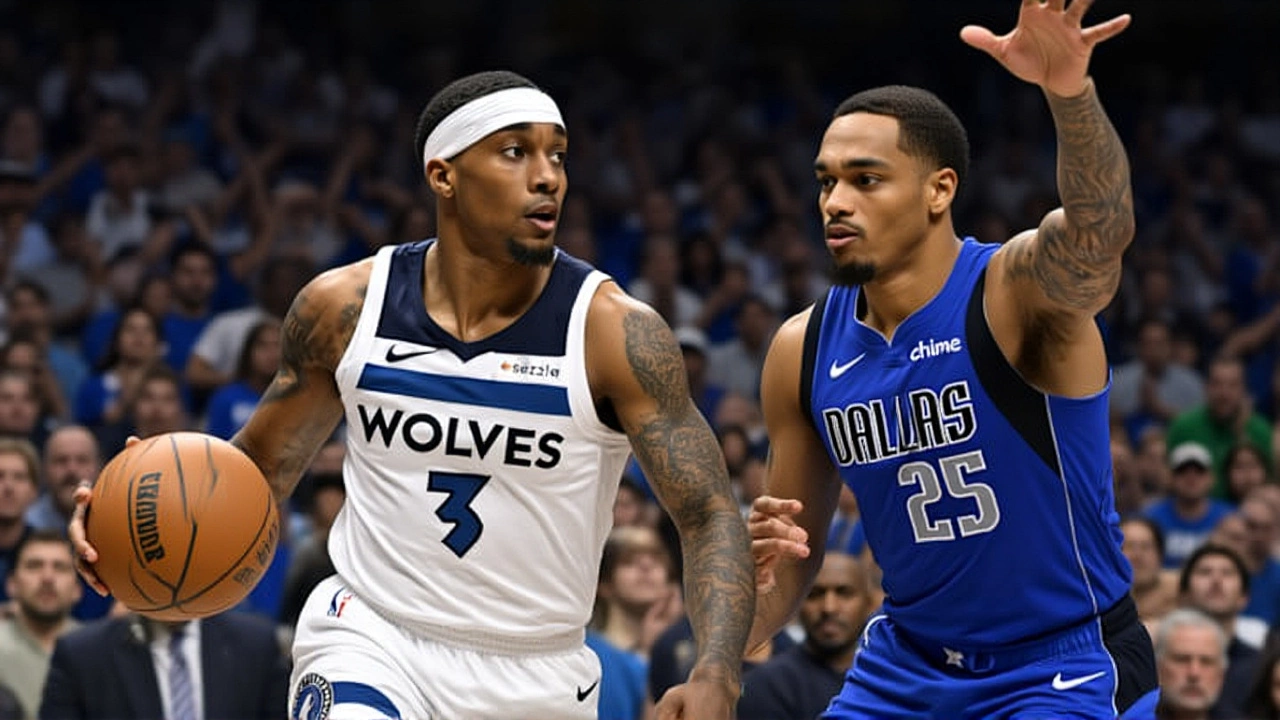
The game was tied at 21-21 after the first quarter. But then came the second. Minnesota’s starters — Anthony Edwards, Karl-Anthony Towns, and Jaden McDaniels — went on a 16-2 run to close the half. McDaniels, in particular, was electric. He hit three straight 3-pointers in the third quarter, turning a 17-point lead into a 30-point blowout. The crowd was chanting "M-V-P!" for Edwards, even though his stats weren’t flashy — 18 points, 7 assists, 5 rebounds — because he controlled the tempo, made the right reads, and didn’t force anything.
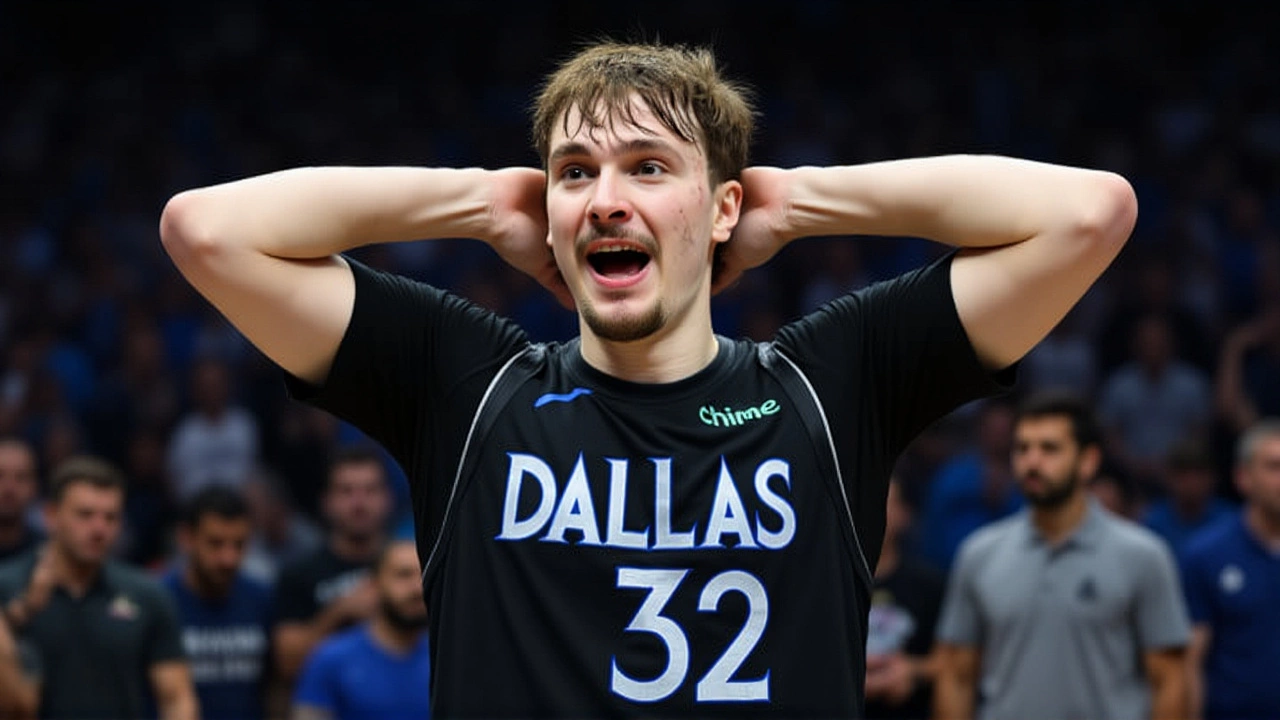
The Mavericks, meanwhile, looked like a team running on fumes. They’d won 138-133 in overtime against Portland the night before — a game that saw Cooper Flagg and P.J. Washington each drop 21 points — but fatigue caught up. Flagg, Dallas’s top draft pick, played 37 minutes and finished with 15 points, but looked gassed. Brandon Williams, the 6’5" guard, also scored 15, but shot just 5-for-16. They had no answer for Minnesota’s size, speed, or spacing.
Shooting Struggles and the Road Ahead
The Wolves shot 32% from three — their fourth straight game under 33%. That’s not sustainable. But they made enough big ones when it mattered, and their defense forced Dallas into rushed, contested looks. The Mavericks, who entered the night with the league’s second-worst 3-point percentage, now sit at 30.7% after this loss. Their offensive identity — once built on spacing and three-point barrage — has collapsed under injuries and inconsistency.
Minnesota, meanwhile, improved to 8-4. They’re now tied for third in the Western Conference. Their next game, against the Washington Wizards on Wednesday, could be a trap — but with their confidence soaring, they look like a team peaking at the right time.
The Mavericks? They fall to 4-12, 1-5 on the road. Their next stop: home against the New York Knicks on Wednesday. If they can’t get healthy — and fast — this season could spiral into a draft lottery race.
What This Means for Both Teams
For the Timberwolves, this win isn’t just about the record. It’s about proving they can win without Edwards going for 35. It’s about Reid stepping up. It’s about Towns playing smarter defense. It’s about the bench — not just Reid, but Jordan McLaughlin and Juan Toscano-Anderson — contributing consistently.
For Dallas, it’s a wake-up call. Their young core — Flagg, Cissé, Williams — needs time. But time is the one thing they don’t have. With Davis still out and Gafford’s status uncertain, they’ll need to find answers from players who’ve never started an NBA game. That’s not a rebuild — that’s a rescue mission.
Frequently Asked Questions
How did Naz Reid’s performance compare to his previous games this season?
Before this game, Reid’s season high was 17 points, set in October against the Lakers. His 22-point, 12-rebound night was his first double-double of the season and his most efficient outing — shooting 9-for-13 from the field. He’d averaged just 9.4 points per game in his previous 11 appearances, making this a career-defining performance off the bench.
Why is the Mavericks’ 3-point shooting so poor this season?
Dallas’s 30.7% 3-point shooting ranks second-worst in the NBA. Key shooters like Spencer Dinwiddie and Kyrie Irving have missed time due to injuries, and their new starters — Flagg and Williams — aren’t natural shooters. The team also lacks a true floor spacer, forcing drives into crowded paint and contested pull-ups. Their offense has become predictable and inefficient.
What’s the impact of missing Daniel Gafford and Dereck Lively II?
Gafford and Lively were Dallas’s two best rim protectors and rebounders. Without them, the Mavericks allowed 58 points in the paint — 18 more than their season average. They also lost 12 offensive rebounds to Minnesota, leading to 18 second-chance points. Their absence turned the Wolves’ interior offense into a free-for-all.
Is Anthony Davis expected back soon?
The Mavericks haven’t given a timeline, but sources say Davis is progressing well and could return in 7–10 days. His absence has been devastating — Dallas is 1-6 without him this season, averaging 11.3 fewer points per game. His presence would immediately improve spacing and defensive versatility, but the team may be too far behind to recover without a major roster shakeup.
How does this loss affect the Mavericks’ playoff chances?
Slim to none. At 4-12, Dallas is 8.5 games behind the 8th seed in the West. Even if they get healthy, they’d need to win 70% of their remaining games to make the playoffs — a feat no team has accomplished after a 4-12 start since 2004. The focus now is on development and draft positioning, not postseason hopes.
Can the Timberwolves sustain this level of play?
They can if they keep getting balanced scoring. Edwards is averaging 26.8 points, but Towns and Reid are now contributing consistently. Their bench, which ranks top-5 in the league in points per game, is finally clicking. If they maintain defensive focus and reduce their 3-point slump — they’re shooting just 31.8% from deep this month — they’re a legitimate Western Conference contender.