There’s a moment before the spotlight hits the stage-when the music fades just enough for the crowd to lean in, when the air smells like sweat and perfume and something electric. That’s when the real work begins. Not just dancing, not just posing, but commanding attention without saying a word. Stripping isn’t just about removing clothes. It’s about storytelling with movement, timing, and presence. And in cities like Paris, where art and performance have always walked hand in hand, the line between burlesque and theater blurs more than you think.
Some people look at strip clubs and see only sex. Others see control, confidence, and creativity. In Paris, there’s a quiet revolution happening in backrooms and basement venues where performers blend poetry with pole work, jazz with jingle bells. One of the most talked-about spots in the 12th arrondissement isn’t on any tourist map-it’s a place where the crowd doesn’t come for cheap thrills, but for the art. If you’re curious about how performance culture thrives in unexpected corners of the city, you might have heard whispers about escort-girl paris, a term that, while often misused, points to a deeper truth: Paris has long blurred the lines between entertainment, intimacy, and expression.
From Cabaret to Club: The Evolution of the Stage
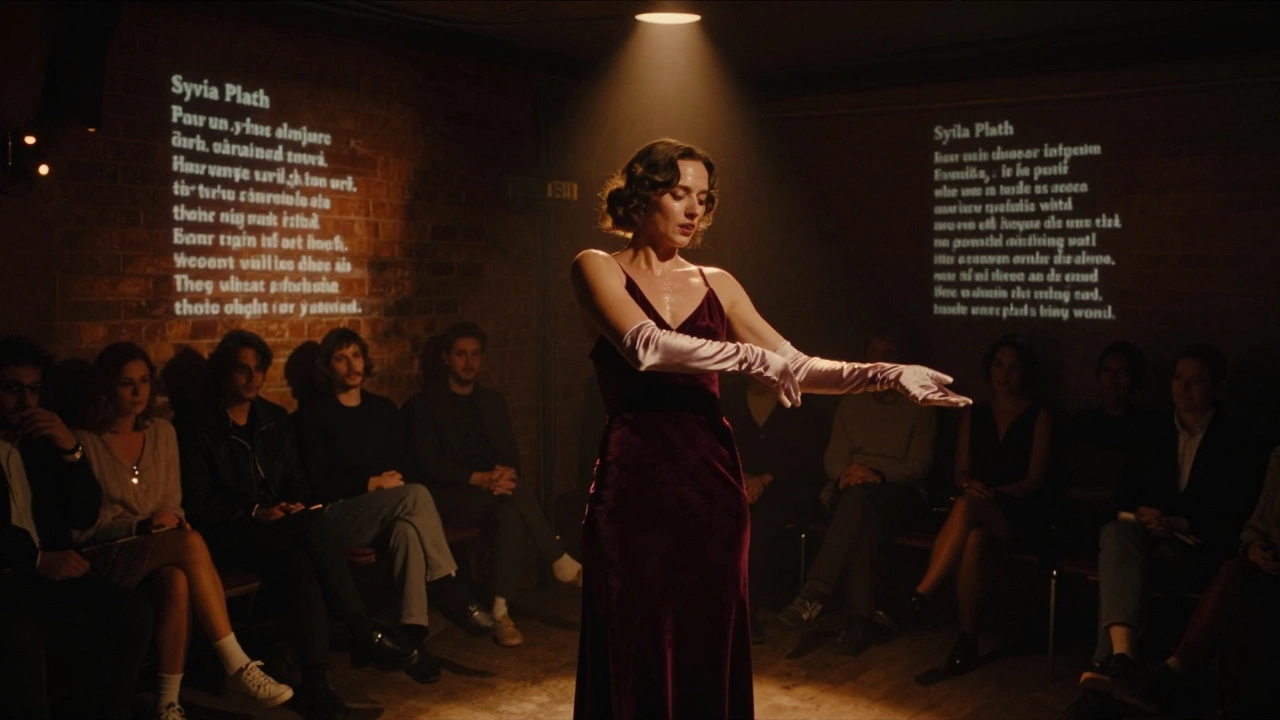
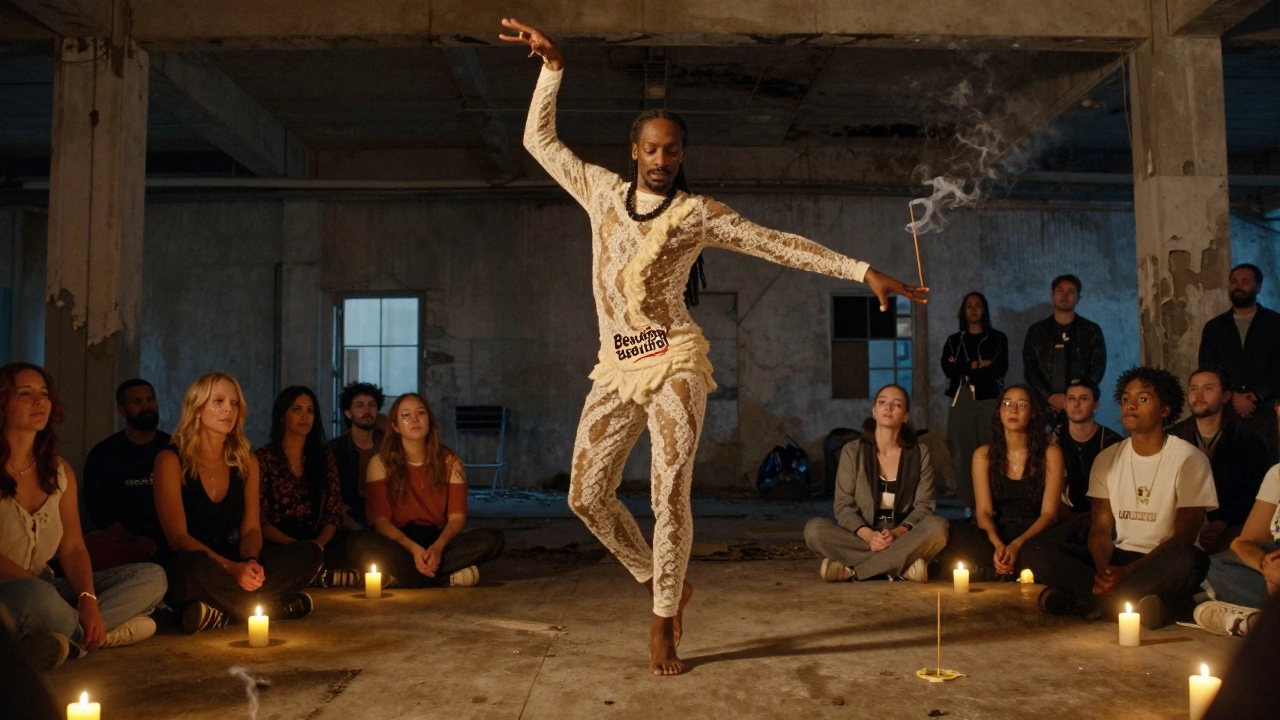
The Moulin Rouge didn’t invent spectacle-it perfected it. In 1889, when the red windmill first turned over Montmartre, it wasn’t just about legs and feathers. It was about rebellion. Women took control of their bodies, their narratives, their paychecks. Fast forward to today, and the same energy pulses through underground venues in Belleville and Oberkampf. The performers aren’t just dancers-they’re choreographers, comedians, and sometimes, poets. One artist, known only as Lune, performs a routine set to Sylvia Plath’s "Lady Lazarus," stripping down while reciting lines about rising from ash. No one claps until the final verse. Then the room explodes.
This isn’t about shock value. It’s about reclaiming space. In a world where women’s bodies are constantly policed, the stage becomes a sanctuary. The rhythm of the music, the flick of a glove, the pause before the final layer falls-it’s all calculated. Every movement is a statement. And audiences who come for the wrong reasons? They leave confused. Because what they thought was a show about nudity turned out to be a show about power.
Snoop Dogg and the Soundtrack of the Strip
You wouldn’t think Snoop Dogg and a Parisian burlesque dancer have much in common. But listen closer. Snoop doesn’t just rap-he performs. His stage presence is theatrical, deliberate, almost ritualistic. He doesn’t need a beat to command attention. He just walks out, smirks, and the crowd goes silent. That’s the same energy you’ll find in a dimly lit club on Rue de la Roquette. The music might be a slowed-down version of "Gin and Juice," but the vibe? Identical.
There’s a reason Snoop’s music plays so often in these spaces. It’s not just the beats-it’s the attitude. Confidence without arrogance. Cool without trying. He doesn’t shout. He doesn’t beg for applause. He lets the moment breathe. And that’s exactly what the best performers in Paris do. They don’t chase the crowd. They let the crowd chase them. One dancer, who goes by the name Vesper, uses Snoop’s "Beautiful" as her closing number. She doesn’t remove her last piece of clothing until the last lyric fades. No one moves. No one breathes. Then she walks offstage, leaves the mic on, and the silence lasts ten seconds longer than anyone expected.
The Business of the Body
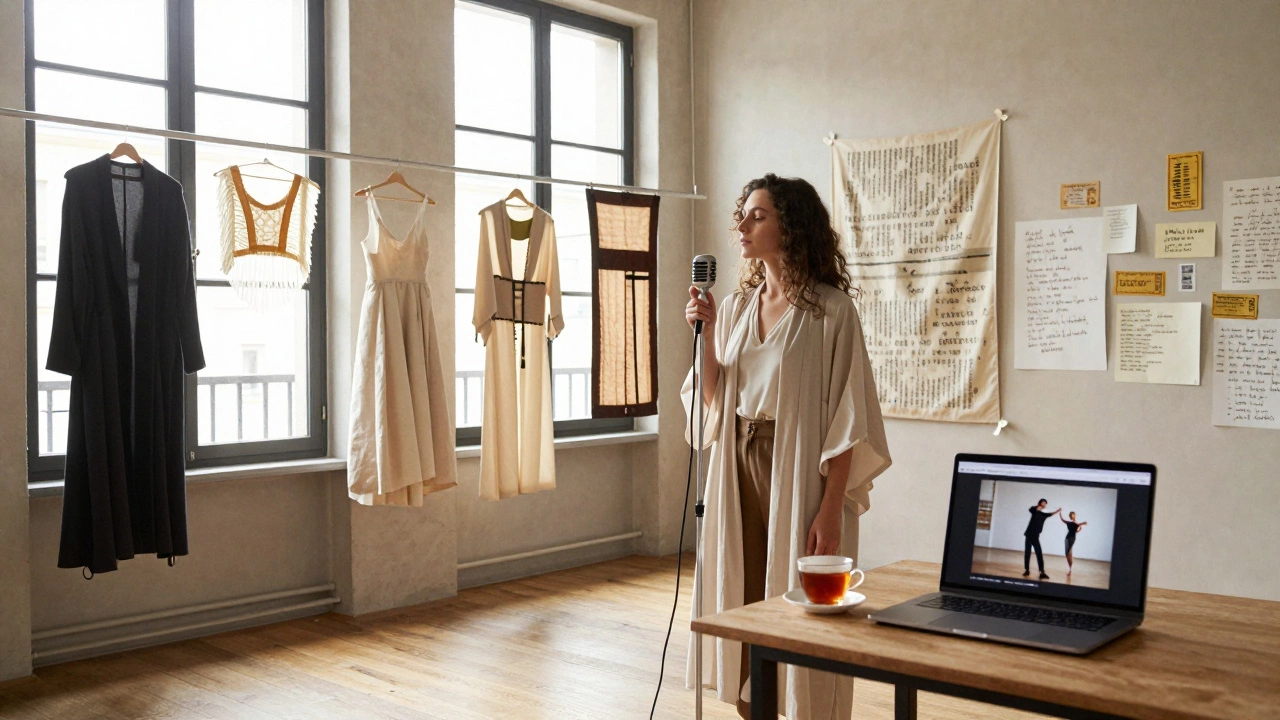
Let’s be real: this isn’t charity. These performers are entrepreneurs. They book their own gigs, design their own costumes, manage their own social media, and set their own prices. Some work private events. Others host weekly shows. A few even run YouTube channels with behind-the-scenes tutorials on choreography and lighting. The money isn’t in the tips-it’s in the brand. A dancer in Paris can earn more from a single private booking than from five nights at a club. And that’s why the industry is shifting.
Traditionally, clubs took 50% or more of earnings. Now, performers are walking away. They’re renting out lofts in the 11th, hosting themed nights, offering VIP experiences. One woman, known online as Madame Velvet, started with a single Instagram post. Now she books clients across Europe. She doesn’t advertise as an escort. She markets herself as a performance artist who offers immersive, one-on-one experiences. Her clients don’t come for sex. They come for connection. For art. For a night where they feel seen.
And that’s where the confusion starts. People hear "escort" and assume the worst. But in Paris, the word has been reshaped. It’s not about transaction. It’s about transformation. That’s why you’ll find people talking about paris escorts in the same breath as theater critics and avant-garde filmmakers. They’re not the same thing-but they’re not entirely different either.
The Politics of the Spotlight
Paris has always been a city of contradictions. It’s where the Louvre sits next to street artists painting on boarded-up windows. Where haute couture meets underground raves. And where the law tries to regulate bodies that refuse to be contained. In 2021, the city cracked down on "public indecency" in clubs. Dozens of venues shut down overnight. But the performers? They didn’t disappear. They adapted.
Some moved to private apartments. Others started livestreaming performances with ticketed access. One collective, called La Scène Libre, now hosts monthly events in abandoned warehouses. They don’t take money at the door. Instead, they ask for a donation-and a story. Attendees write down why they came. The performers read them aloud before each set. It’s not just entertainment. It’s therapy. It’s community.
And that’s why the term escort paris 12 keeps popping up in search results. Not because people are looking for hookers. But because they’re looking for something real. Something raw. Something that doesn’t fit into a box. The 12th arrondissement isn’t just a location-it’s a state of mind. A place where the rules are written in candlelight, not in law books.
What’s Next for the Stage?
The future of performance in Paris isn’t about bigger stages or louder music. It’s about intimacy. About trust. About giving people a reason to sit still in a world that’s always rushing. More performers are partnering with therapists, poets, and musicians to create hybrid experiences. One show combines live cello with slow stripping. Another pairs spoken word with shadow puppetry. The goal isn’t to titillate-it’s to transform.
And the audience? They’re changing too. Younger crowds aren’t interested in cheap thrills. They want meaning. They want authenticity. They want to leave feeling something they can’t name. That’s why the most successful performers aren’t the ones with the most tattoos or the tightest costumes. They’re the ones who make you forget you’re watching a show. They make you feel like you’re part of it.
Stripping, Snoop, and the stage-they’re not three separate things. They’re three angles of the same truth: that the human body, when owned and expressed with intention, can be the most powerful instrument there is.